Microsoft Agent 365 Enters General Availability to Tackle Enterprise 'Agent Sprawl'
Microsoft launches Agent 365 to provide a unified governance and security control plane for enterprise AI agents, starting at $15 per user monthly.
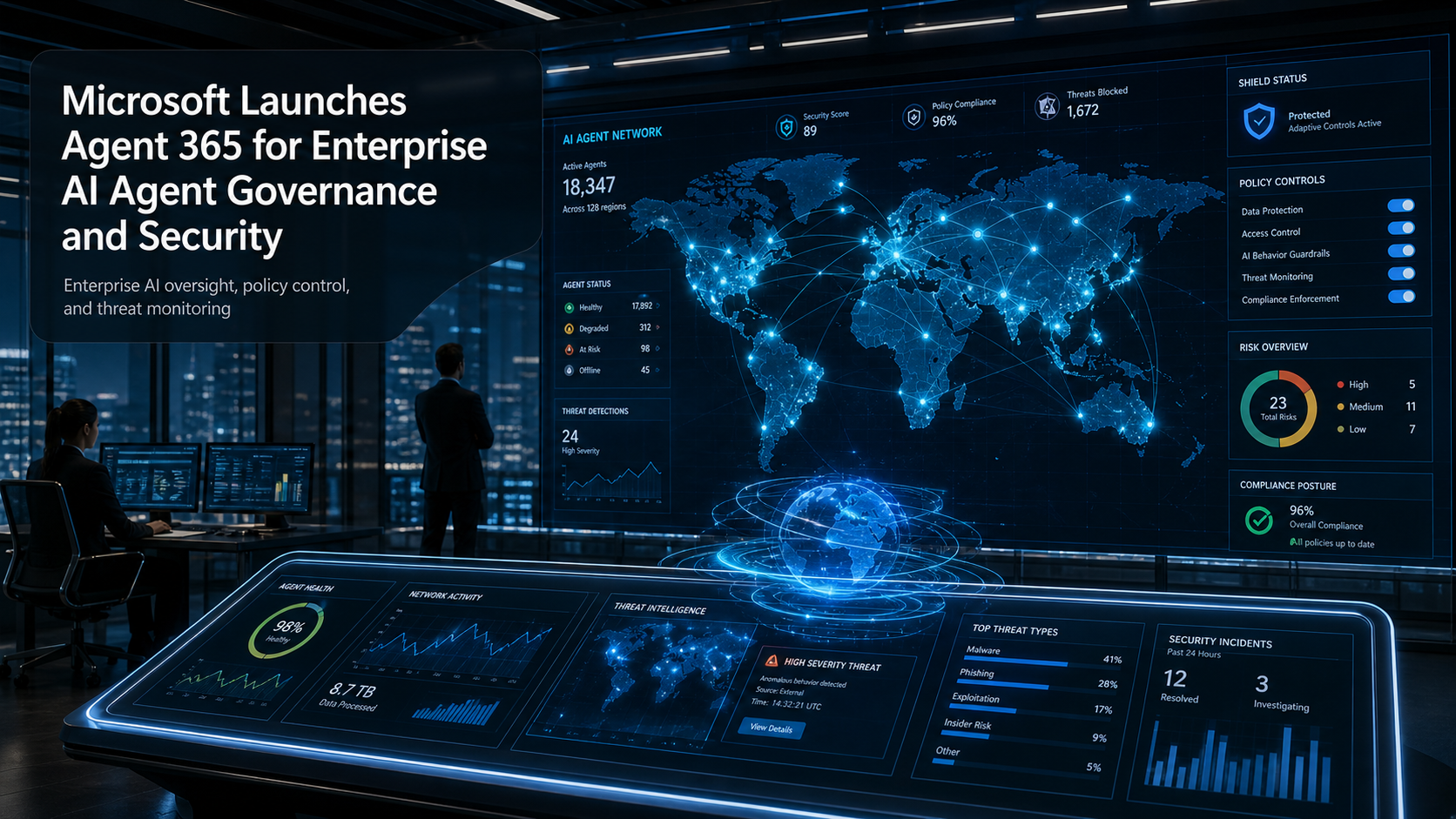
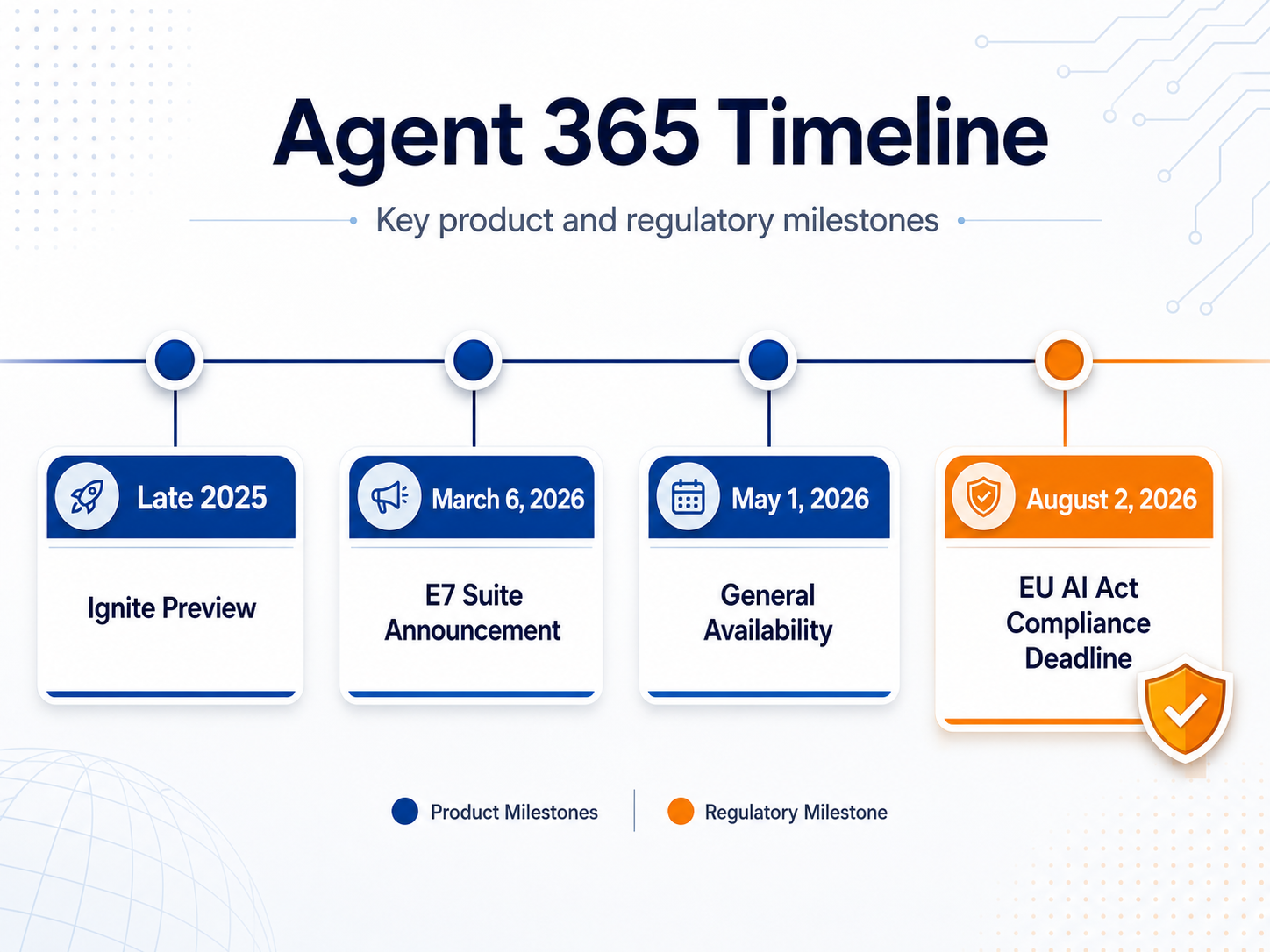
Microsoft has officially released Agent 365 into general availability, marking a significant milestone in the evolution of enterprise AI management. Launched on May 1, 2026, the new platform serves as a dedicated control plane designed to govern, secure, and monitor the proliferation of autonomous AI agents across complex corporate infrastructures. The product arrives at a critical juncture as organizations struggle to manage 'agent sprawl'—the rapid, often uncoordinated deployment of AI systems that lack clear oversight.
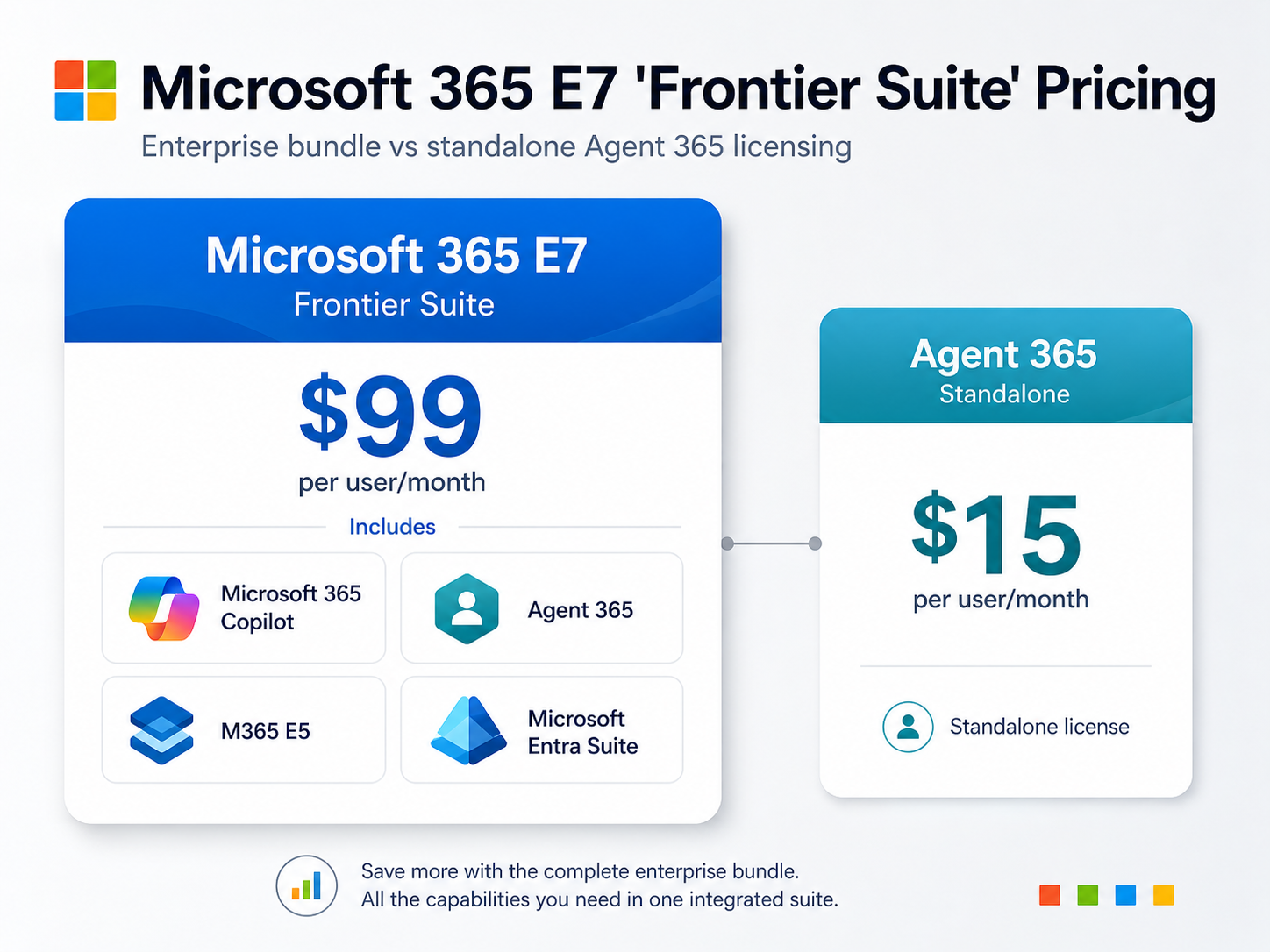
Agent 365 is available as a standalone license for $15 per user per month. In a move to incentivize broader platform adoption, Microsoft has also bundled the tool into its newly launched Microsoft 365 E7 "Frontier Suite." This premium tier, priced at $99 per user per month, provides a comprehensive AI stack including Microsoft 365 Copilot, the full E5 security suite, and the Microsoft Entra Suite.
Solving the Challenge of Agent Sprawl
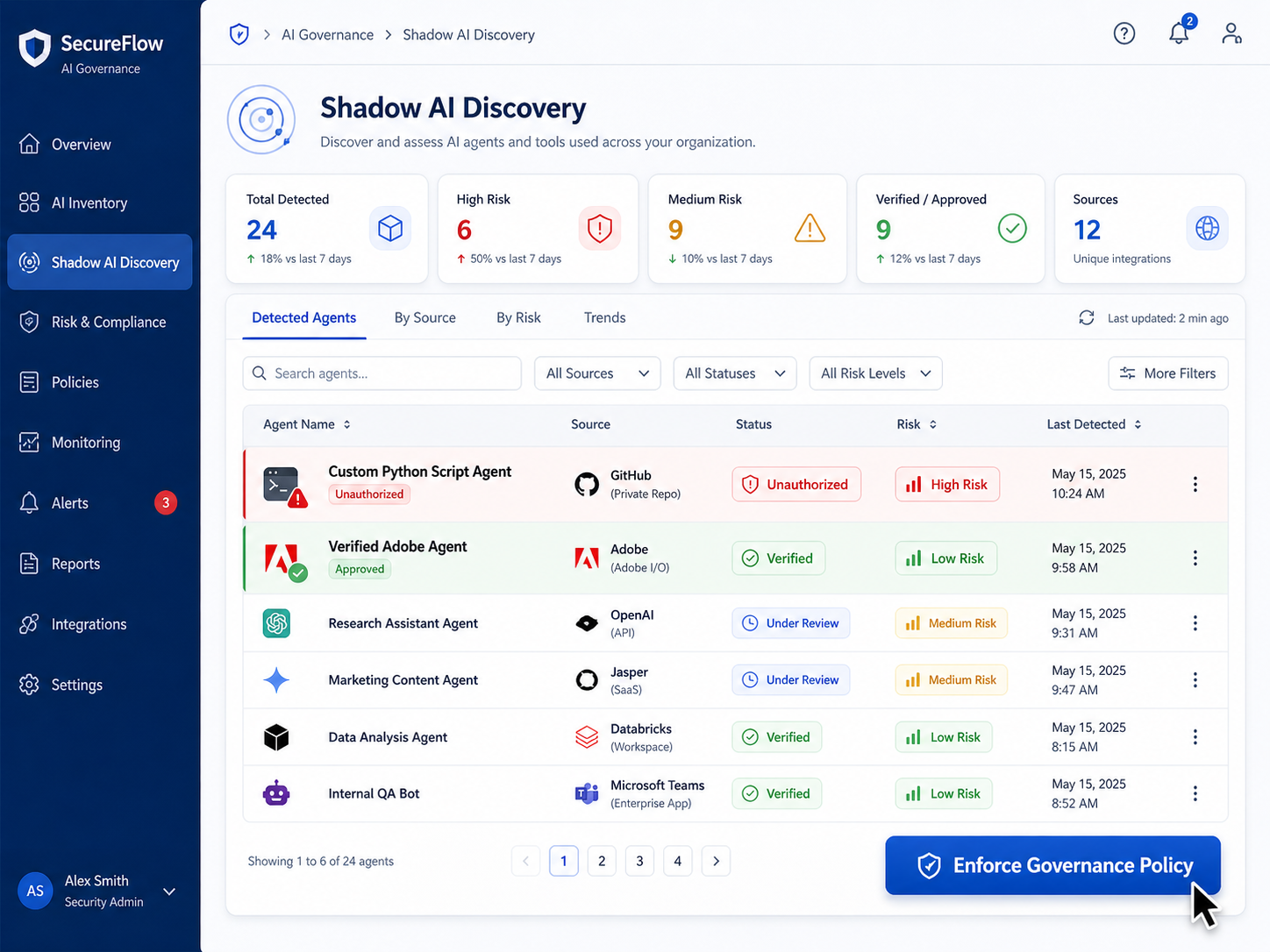
The necessity for Agent 365 stems from the increasing number of 'shadow agents'—AI tools created by employees outside formal IT channels. These autonomous systems, while productive, often operate without consistent governance, posing significant security and compliance risks.
Charles LaManna, President of Business & Industry Copilot at Microsoft, noted in a recent blog post that the company is specifically targeting the enterprise challenge of managing and governing agents responsibly and at scale. He emphasized that Microsoft's goal is to achieve this without forcing companies to rebuild the trusted systems they already rely on for their daily operations.
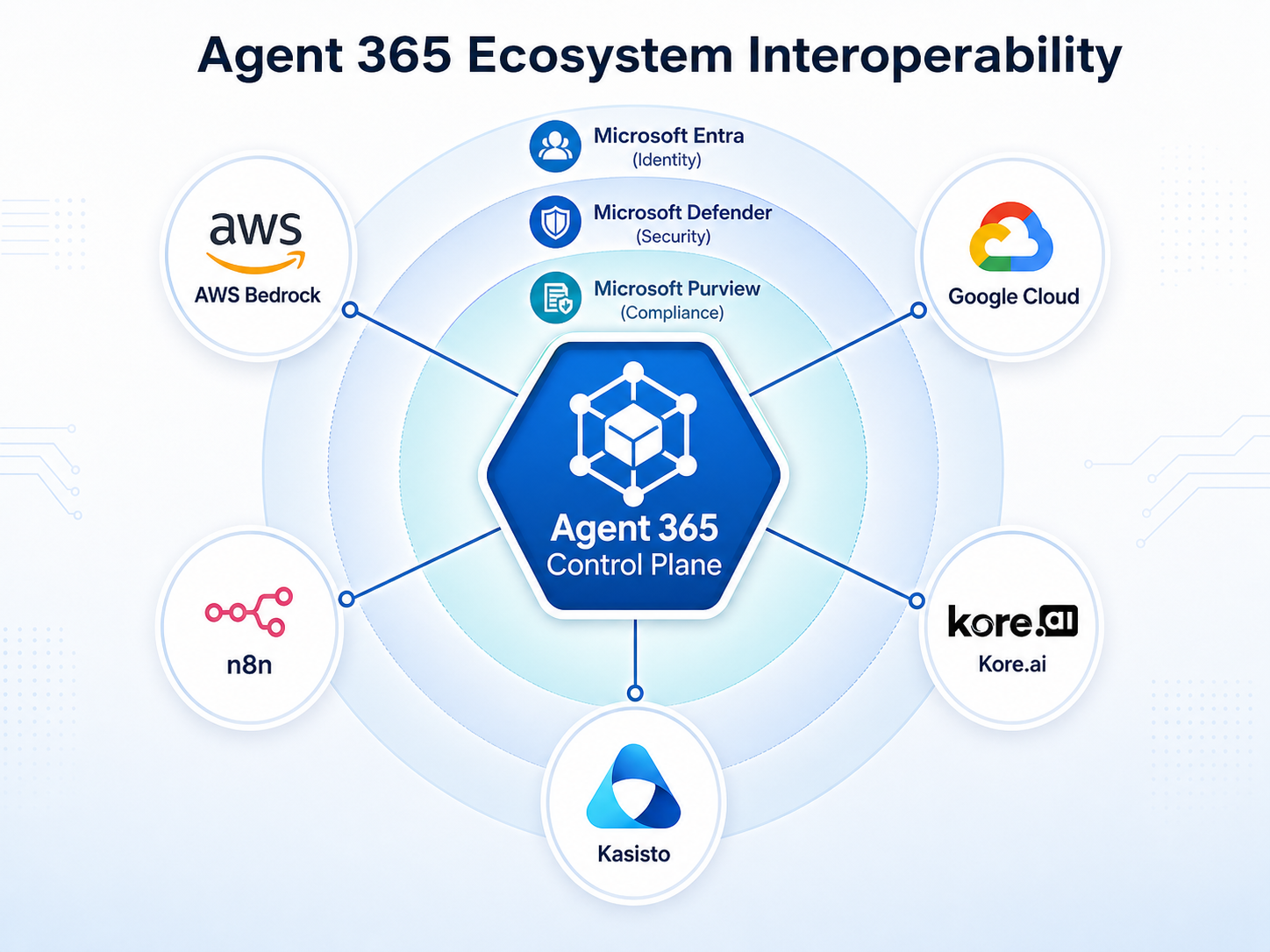
To address these risks, Agent 365 provides unified management not only for agents built within the Microsoft ecosystem—such as those created via Copilot Studio and Foundry—but also for third-party platforms. IT administrators can now use a single interface to oversee agents running on AWS Bedrock, Google Cloud, Kasisto, Kore, and n8n.
Governance, Observability, and Security
The platform's capabilities are divided into three primary pillars designed to bring industrial-grade stability to AI deployments. First, it offers real-time observability, giving teams visibility into agent usage, activity logs, and performance metrics. Second, it enforces governance through identity management, lifecycle tracking, and policy enforcement. Finally, it provides robust security features, including threat detection and data protection.
Integration with existing Microsoft infrastructure is a core component of the offering. Agent 365 leverages Microsoft Entra for identity verification, Microsoft Defender for proactive threat protection, and Microsoft Purview for data governance. This allows organizations to extend the same security protocols used for human employees to their digital AI counterparts.
"With Agent 365, we can scale and govern AI agents with confidence, while maintaining enterprise-grade security and control," said Yuji Shono, Head of the Global AI Office at NTT Data Group Corp. This sentiment reflects a broader industry desire to move from experimental AI pilots to production-ready deployments.
The Role of the Ecosystem
Microsoft is positioning Agent 365 as an open framework, supported by a growing list of partners including Adobe, Nvidia, Zendesk, and Celonis. These partners are developing agents specifically designed to integrate with the Agent 365 management framework.
Raj Koneru, CEO of Kore.ai, highlighted the importance of this integration, stating that while building agents is easy, scaling them with trust is where most initiatives fail. He noted that with Kore.ai deeply integrated into Microsoft Agent 365, security and governance are built in from the start, allowing enterprises to move toward AI at scale with greater confidence.
Beyond third-party integrations, Microsoft has introduced new capabilities in Defender and Intune to detect shadow agents running specifically on Windows devices. Furthermore, a public preview of Windows 365 for Agents is now available in the U.S., offering a policy-controlled Cloud PC environment where agents can perform tasks in a secured sandbox.
Regulatory Timing and Future Outlook
The timing of the Agent 365 launch is strategically aligned with shifting global regulations. The EU AI Act is set to become fully applicable on August 2, 2026, introducing strict obligations regarding risk management and transparency for AI systems. By providing a centralized control plane, Microsoft is offering a path for multinational corporations to meet these looming compliance requirements.
Srini Raghavan, Corporate Vice President of Microsoft Copilot & Agents Ecosystem, observed that there is a fundamental shift in how enterprises bring AI agents into the flow of work. He noted that partners are already extending Microsoft 365 Copilot with agent-based experiences that help customers unlock actionable insights across engagement and performance metrics.
As organizations transition from the 'experimentation' phase of AI to the 'implementation' phase, the demand for centralized management will only grow. Agent 365 represents Microsoft’s bet that the future of the enterprise will not just be powered by AI, but by AI that is strictly managed, audited, and secured within a traditional IT framework.